Best Makeup Brushes for Mature Skin

Ever had foundation look flawless in the mirror, then creep into every fine line by lunchtime? Most of us blame the formula and go shopping for a new bottle. Often the real culprit is the tool in your hand (or one of the makeup brush mistakes you're probably making).
Here's the good news: you don't need a bigger kit or a fancier foundation. You need softer, smarter brushes and a lighter touch. This guide walks through how to choose and use them, so your makeup looks like skin, not stuck-on.
Why Mature Skin Plays by Different Rules
Skin gets drier and thinner as we age, while fine lines and pores become more defined. That isn't a flaw, it's just terrain, but it changes how product behaves. Every crease is a tiny reservoir, and anything applied too heavily will find it. The wrong brush makes things worse: stiff, overly dense or worn bristles drag across the skin and dump product in one spot, where it pools in creases and clings to dry patches. The areas that suffer most are the ones that matter most, under the eyes, around the mouth and across the forehead, which is exactly where a softer brush earns its place. The gap between skin-like and cakey is often nothing more than bristle quality and pressure.

What to Look for in a Brush
Start with the bristles. You want them soft enough to glide yet densely packed enough to pick up and place product evenly, and quality synthetic fibres like Taklon do this brilliantly with liquids and creams without soaking them up. Synthetics are also non-porous, so they don't hold onto old product and bacteria the way porous natural hair can, which is kinder to thinner, more sensitive skin.
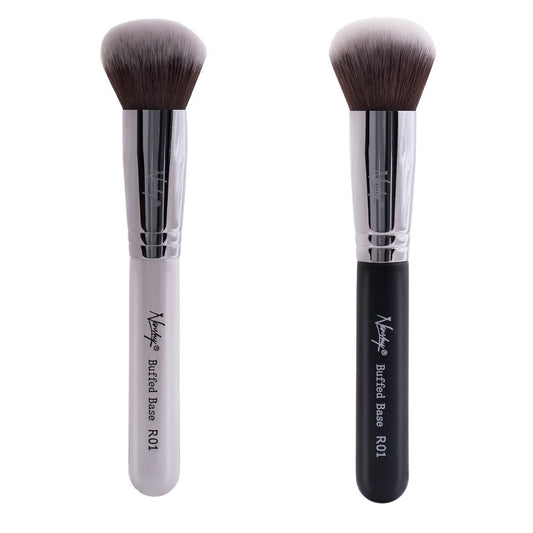
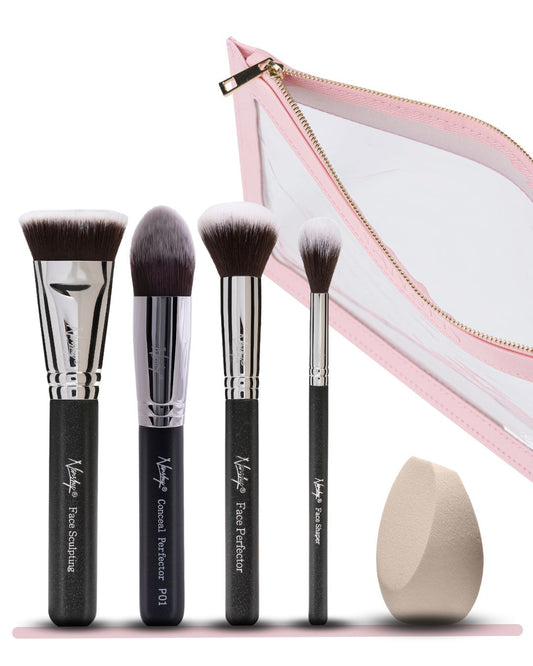
Next, check the shape. A rounded, tapered head blends edges away instead of leaving visible lines, so if the top of a brush feels blunt, as if it was cut with scissors, put it back. Finally, pick up the handle. A lightweight, well-balanced one lets you use a lighter hand, and a light hand is the whole game around the eyes and mouth. Our Buffed Base is a good example of the combination: dense, domed bristles that press product into creases instead of dragging across them, on a sturdy, ergonomic handle.
The Brushes Worth Owning
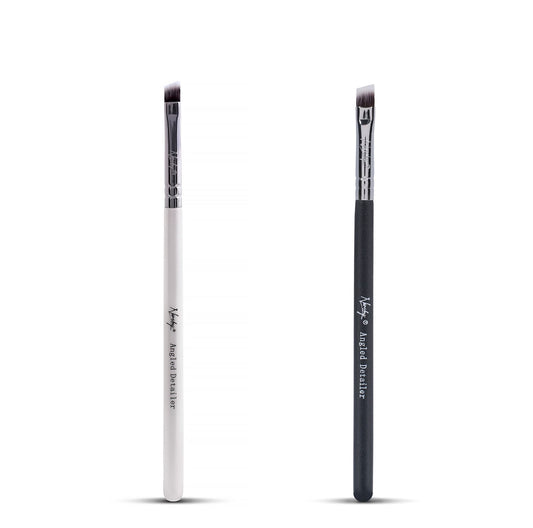
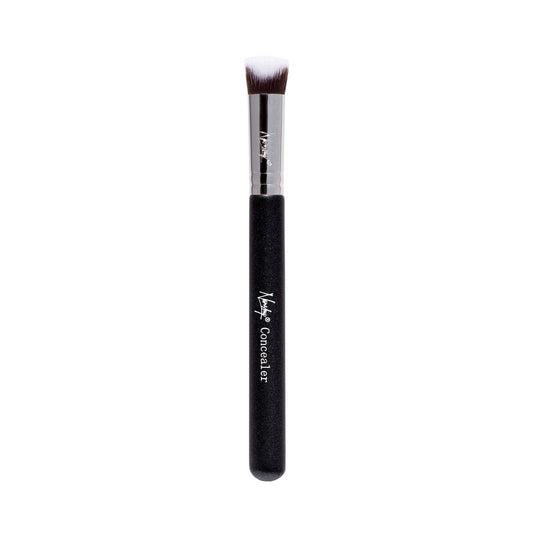
For foundation, reach for a dense, domed buffing-style brush (here are the different types of foundation brushes) and apply thin, even layers with light pressure, building coverage only where you need it. The Buffed Base is our pick for this: its dense, domed head picks up just what you need and works it into every crease. For a more forgiving, airbrushed finish on mature skin, the Angled Airbrush gets into creases too, without leaving a heavy layer behind. Concealer wants something small, soft and tapered, so you can place product precisely and blend the edges without dragging delicate under-eye skin. For powder, choose a large, dense, domed brush like our Powder Brush and press and roll instead of sweeping, focusing on the T-zone so you set the skin without settling into lines.

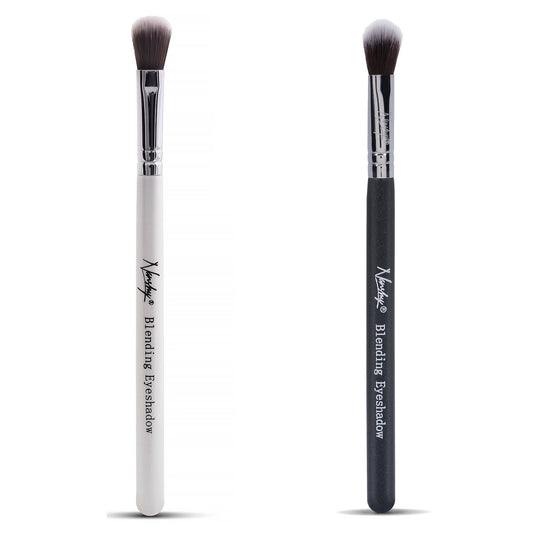
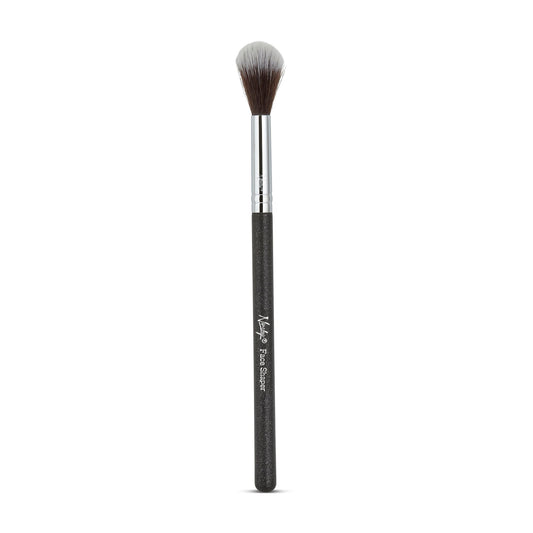
Blush and bronzer suit soft, angled or rounded brushes that diffuse colour gently; apply to the apples of the cheeks and blend upwards for a lifted effect. On the eyes, a fluffy blending brush with a tapered tip diffuses shadow without tugging at hooded or crepey lids. Use light, windscreen-wiper motions and build slowly, because patience beats pigment every time. If you'd rather not collect brushes one at a time, the Eye Brush Set covers every eye step in one purchase.
Brush or Sponge: Which Works Better?
Both have a place, and the honest answer is that it depends on your skin that day. Brushes give a thin, controlled finish and work especially well with liquid and cream formulas, which is why most makeup artists reach for them first. Still undecided? Here's foundation brush or makeup sponge in full. A damp sponge presses product into the skin for a natural, melted look, but it can emphasise dryness if skin isn't well prepped (these are the types of makeup sponges to choose from), and for powder the Velvet Powder Puff Duo presses it in rather than sweeping it on.

Our favourite answer is both. Apply with a brush, then press lightly with a damp sponge to melt in the edges and lift off excess product. It adds about thirty seconds and it's the quickest route to skin-but-better.
How to Apply Makeup with Brushes
Prep is half the job. Moisturise and let it sink in fully, because dry, unprepped skin grabs product and exaggerates texture, and it helps to know the best foundation type for your skin. Then start at the centre of the face and blend outwards in thin layers, stippling or buffing lightly rather than swiping heavily. For more, see how to apply foundation without streaks and how to make foundation last all day.
Then keep everything else minimal. Place concealer only where you need it and tap the edges to blend, use powder sparingly and never press it into lines, and add blush and bronzer in small layers. The stopping rule is simple: when it looks like skin, not like product, put the brush down.

Common Brush Mistakes That Age Your Look
The big three are dense, stiff or worn-out brushes, too much powder, and skipping the clean. Bent, frayed or stiff brushes drag and deposit unevenly, so replace them once they lose their shape, or try making them soft again first. Too much powder dries the skin and highlights lines, and a little genuinely goes a long way. Product buildup makes bristles stiff and application patchy, so clean your brushes regularly. None of it is glamorous, but it's the cheapest upgrade in your routine.
Caring for Your Brushes
If you use them daily, deep clean face brushes weekly with a gentle, alcohol-free cleanser and soft, circular motions. Here's how to use a makeup brush cleaner (and make your own), and whether an electric brush cleaner is worth it.
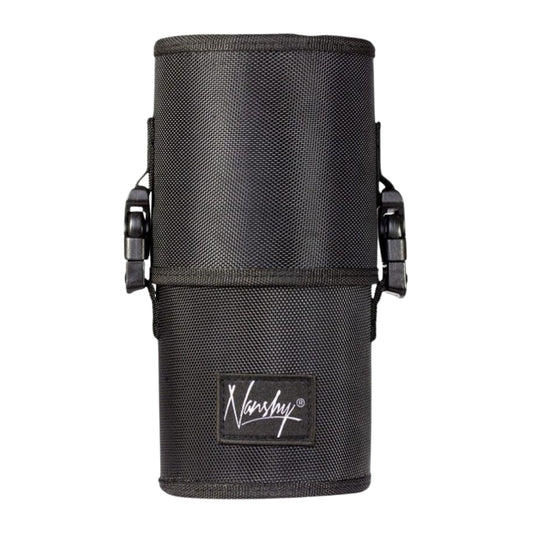
Drying matters just as much. Reshape the bristles, then dry brushes flat with the heads hanging over the edge of a counter, and only store them once they're completely dry, ideally in one of the best makeup brush holders for travel and vanity. With good care, face brushes typically last one to three years. Replace them sooner if they shed constantly, lose their shape or smell off after cleaning.

Why Vegan Synthetic Brushes Suit Mature Skin
Synthetic bristles are non-porous, so they stay cleaner and are less likely to irritate (see vegan vs. animal hair brushes and eco-friendly brush materials). They also perform brilliantly with the liquid and cream products that suit mature skin best. Better still, you get a soft, professional finish without compromising on cruelty-free values, and without paying premium-brand prices. Our 12-piece Masterful Collection is built on exactly that idea.
FAQs
What Is the Best Foundation Brush for Mature Skin?
A dense, domed buffing brush like the Buffed Base, or the Angled Airbrush for a more forgiving finish. Both get into creases, apply thin layers and blend seamlessly, so product doesn't gather in fine lines. Pair it with light pressure and you'll get coverage that looks like skin.
Are Synthetic Brushes Better Than Natural Hair for Mature Skin?
For most people, yes. Synthetic bristles don't absorb product, clean up easily and work well with liquid and cream formulas, which suit mature skin best. Natural hair is harder to keep hygienic and tends to soak up the product you paid for.
Why Does My Makeup Settle into Fine Lines Even with a Good Brush?
Usually it's too much product, too much powder, or skin that isn't properly moisturised. Use thinner layers, let your moisturiser sink in, and press powder in lightly instead of sweeping it on. If it still happens, check that your brush isn't worn or stiff.
Should I Use a Brush or a Sponge for Under-Eye Concealer?
Either can work. A small concealer brush gives precision, while a damp sponge helps press product in without dragging. Many people use both, placing with the brush and tapping with the sponge.
How Many Brushes Do I Need for a Mature Skin Routine?
Four or five cosmetic brushes cover most routines: foundation, concealer, powder, blush and an eye blending brush. Start there and only add when you find a genuine gap. Our makeup brush set guide helps you choose.
The Bottom Line
The right brush won't erase fine lines, but it will stop your makeup from drawing attention to them. Choose soft, tapered, synthetic bristles, apply in thin layers and keep your tools clean. Do that, and your makeup will look like your skin, only better. And if you'd rather leave it to a pro, here's how to find the best makeup artist near you, or how to become one.