What Makes a Good Makeup Brush

Why does a £30 brush feel so different from a £5 one the second you pick it up? It's not the packaging, and it's not always the brand name on the handle. It comes down to three parts: the bristle, the ferrule, and the handle. Get all three right and you've got a brush that blends beautifully, helps you avoid a streaky, patchy finish, and lasts for years. Get one of them wrong and you've got a brush that sheds, wobbles, or falls apart within a few months - no matter how nice it looked on the shelf.
In this guide, we're breaking a makeup brush down into its actual components, what separates a well-made one from a poorly made one, and how to spot the difference yourself in about 30 seconds.
What Is a Makeup Brush Actually Made Of?
The Three Core Components
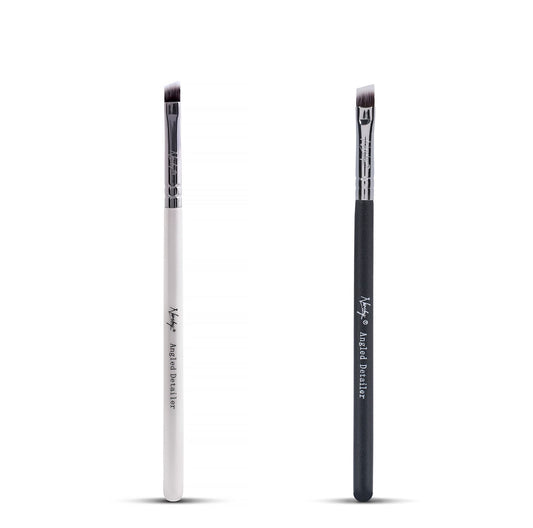
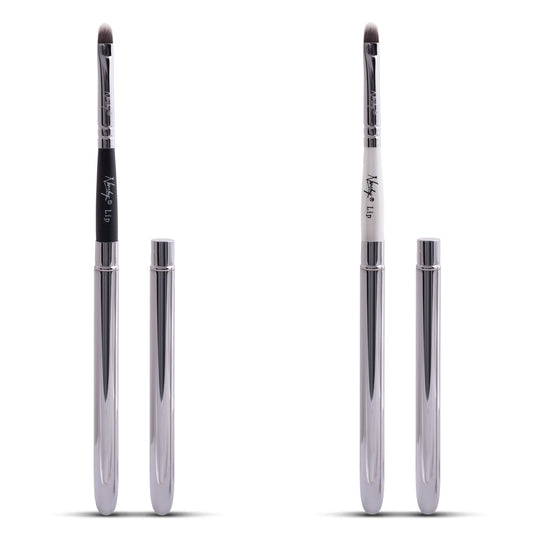
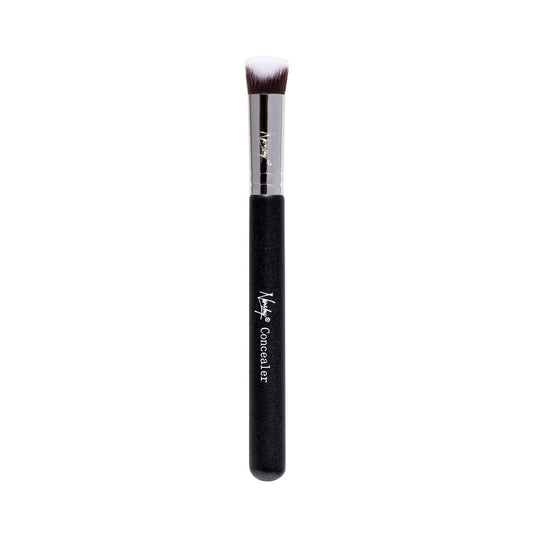
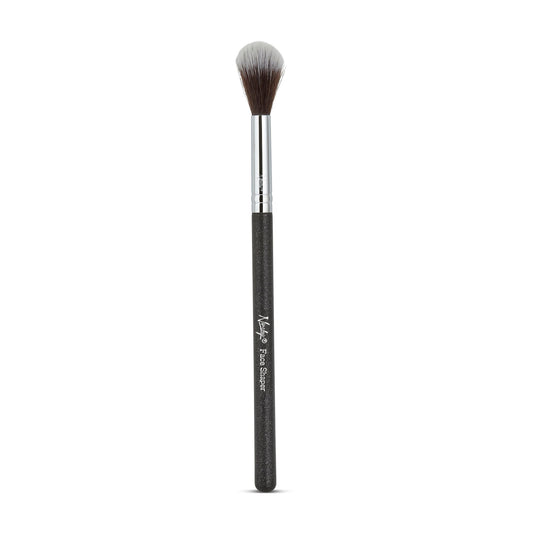
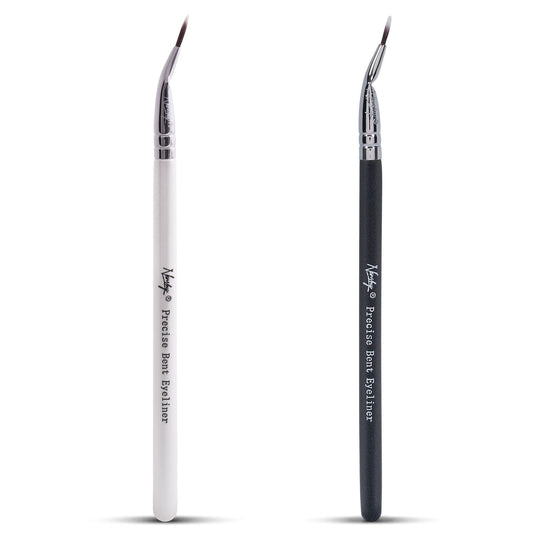
Every makeup brush, no matter the shape or price point, is built from the same three parts. The bristle (or hair) is the working end - the part that actually touches your face and moves product. The ferrule is the metal band that wraps around the base of the bristles and connects them to the handle. And the handle is what you hold, usually made from wood, resin, or aluminium. If you want a wider tour of shapes and categories beyond just these components, our full breakdown of cosmetic brushes is a good place to start.
Three parts, three separate jobs. A brush is only as good as the weakest one.
Why "Good" Is More About Construction Than Brand Name
It's tempting to judge a brush by its price tag or its logo, but neither one tells you much about how it's actually made. Two brushes can look nearly identical and perform completely differently, because the difference lives in the construction - how densely the bristles are packed, how securely the ferrule is set, how the whole thing is balanced in your hand.
This is also why an expensive brush isn't automatically a good one, and a budget brush isn't automatically a bad one. Once you know what to look for, you can judge quality yourself instead of trusting the price tag to do it for you. It's the same reasoning behind a lot of the common brush mistakes people don't realise they're making - most of it isn't about skill, it's about not knowing what to check for.
The Bristle: Where Quality Starts
Synthetic vs. Natural Hair
This is a bigger topic on its own - we've gone deep on the different bristle types and what each one is suited for here - but the short version is this: synthetic bristles (like Taklon) are non-porous, hypoallergenic, and better suited to liquid and cream products, while natural hair tends to be better with loose powder. Neither is automatically "better" - it depends on what you're using the brush for, and if the ethics side of that decision matters to you, our synthetic vs. animal hair comparison is worth a read too.
Bristle Density and Taper
Density and taper are what actually separate a brush that performs well from one that just looks nice in a photo. Densely packed bristles pick up and deposit more product, which is what you want from a foundation or concealer brush. Looser, airier bristles are built for diffusing - think powder or blush brushes, where you want soft, buildable colour rather than a solid layer.
Taper matters just as much. A well-tapered brush head comes to a soft, rounded or pointed tip rather than a blunt, flat-cut edge. That taper is what allows a brush to blend seamlessly instead of leaving harsh lines. Run your finger across the top of a brush - if it feels like it was cut with scissors rather than shaped, that's a shortcut manufacturers take to save time, and it shows in how the brush performs, especially with liquid foundation specifically.
Bristle Shedding: What Causes It
A brush shedding the odd stray hair in its first few uses is normal - that's leftover from the manufacturing process. A brush that keeps shedding well past that point is a construction problem, not a "just how it is" problem. It usually means the bristles weren't properly set and glued at the base before the ferrule was crimped on, so the bond is weak from day one.
Cheap glue, rushed assembly, and low-quality bristles all show up here. If you're regularly finding bristles in your foundation, the issue isn't your technique - it's how the brush was made. It's also worth checking whether your brushes have simply gone stiff and brittle rather than genuinely failing - here's how to bring them back to soft before you write one off entirely.
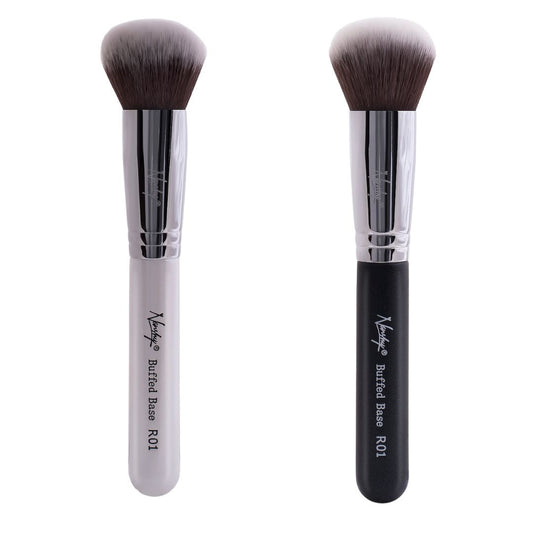
A brush's bristle work is only as good as the construction lets it be. If you want foundation that looks airbrushed rather than painted on, you need bristles dense and tapered enough to actually deliver it. Check out Flawless Foundation - built with densely packed, precision-tapered bristles that pick up and lay down product evenly, wash after wash.

The Ferrule: The Overlooked Part That Holds Everything Together
The ferrule doesn't get much attention, but it's arguably the part doing the most structural work. It's the metal band you can see between the bristles and the handle, and it has one job: hold everything together, permanently.
What a Ferrule Actually Does
Beyond just connecting bristles to handle, the ferrule is what shapes the brush head. It determines how tightly the bristles sit, which affects density, control, and how the brush holds its shape wash after wash. A poorly seated ferrule means bristles that splay out, lose their shape, or eventually work themselves loose entirely.
Seamless vs. Crimped Ferrules
There are two main approaches. Seamless ferrules are glued or moulded with no visible seam or crimp line - they tend to be more durable and, because there's no seam for water and product to seep into, more hygienic over time. Crimped ferrules are pinched mechanically around the base of the bristles. Done well, crimping is perfectly durable and is how most brushes on the market are made. Done poorly - with a weak crimp or low-grade metal - it's usually the first thing to fail. Metal choice also ties into how a brand sources materials in general - see our look at eco-friendly, sustainable brush materials if that's a factor for you.
Neither method is inherently bad, but it's worth knowing that a seamless construction is often a sign a brand has spent more on assembly, not just materials.
Signs of a Weak Ferrule
A few tells that a ferrule isn't up to standard: it wobbles when you press the bristles side to side, it shows rust or discolouration after normal washing, or you can see or smell glue residue around the base. Any of these mean the bond between bristle, ferrule, and handle isn't as solid as it should be - and it's usually the first part of a cheap brush to fail, well before the bristles wear out. Using the wrong cleaner can accelerate this too, so it's worth knowing how to use a brush cleaner properly (and how to make your own at home).
The Handle: More Than Just Something to Hold
It's easy to think of the handle as the least important part - it doesn't touch your face, after all. But the handle affects control, comfort, and how long you'll actually want to use the brush.
Materials
Wood handles, often sustainably sourced beech, are lightweight, warm to the touch, and hold up well over years of use. Resin handles are more affordable to produce, come in a wider range of finishes and colours, and are generally more resistant to chipping. Aluminium ferrule extensions or all-metal handles show up more in professional and travel brushes, valued for durability. None of these is objectively superior - it's about what feels right in your hand and suits how you use the brush.
Weight and Balance
This is where a lot of people underestimate what actually makes a brush "feel" good. It's not really about how heavy or light a brush is - it's about where that weight sits. A well-balanced brush feels centred rather than top- or bottom-heavy, which means less wrist fatigue and more control, especially during precise work like concealer application or colour correcting.
Ergonomics for Long Sessions
For anyone doing back-to-back client work - professional MUAs, students, anyone building out a full brush set - handle ergonomics stop being a nice-to-have and start being essential. A handle that's too short, too thin, or awkwardly weighted becomes genuinely uncomfortable after hours of repeated use. This is exactly the kind of detail that separates a hobby kit from a working kit, whether you're just starting to train as an SFX makeup artist or you're already booking clients as a working MUA.
How to Judge Brush Quality in 30 Seconds (In-Store or Online)
You don't need to be an expert to spot a well-made brush. A few quick checks will tell you almost everything.
The Tug Test
Gently tug a few bristles from the tip. A little movement is normal, but if hairs come loose easily, the bond at the base is weak - and that's not going to improve with use.
The Ferrule Wobble Check
Hold the ferrule between two fingers and gently press the bristle head side to side. It should feel completely solid. Any wobble or give means the ferrule isn't seated properly, and that's a sign of shortcuts elsewhere in construction too.
The Handle Balance Test
Balance the brush across one finger, positioned near the ferrule. A well-made brush should sit fairly level rather than tipping sharply towards the handle or the head. It's a quick way to feel whether the weight distribution was actually considered during design, or just an afterthought - and it's the same quality you'll want to check for before packing brushes into a travel brush holder, where cheap ferrules take the most knocking around.
Handle balance and ferrule construction matter most on brushes that need real control, like contour. The Contour Brush is engineered to follow the natural curves of your cheekbone, built on a properly seated ferrule and a balanced handle so precision doesn't fall apart halfway through your routine.

Cheap vs. Expensive Brushes: What You're Actually Paying For
Price isn't meaningless, but it's not the whole story either. What you're generally paying for with a higher-end brush is better raw materials, more time spent on bristle taper and density, tighter quality control, and construction methods (like seamless ferrules) that cost more to produce. What you're not necessarily paying for is a brand name.
This cuts both ways. A £40 brush with a famous name on it can still have a weak ferrule if the brand cut corners on manufacturing. And a well-constructed £12 brush from a smaller, ethical brand can outperform it. The same logic applies to tools generally - a well-made makeup sponge can outperform a mediocre brush for certain jobs, and it's worth reading up on the brush vs. sponge debate before assuming a pricier brush is always the answer. Once you know what to check, the price tag becomes a lot less important than the construction underneath it - and pairing a well-made brush with the right foundation formula for your skin will do more for your finish than upgrading brushes alone.
How Construction Affects Brush Lifespan
All of this ties directly into how long a brush actually lasts you. A tightly set ferrule and well-glued bristle base are what stand between a brush that's still going strong after two years and one that's falling apart after two months. If you're trying to figure out when it's actually time to let a brush go - versus when it just needs a proper clean - our guide to how often you should really replace your makeup brushes walks through exactly that. And if you're cleaning often enough to wonder whether it's worth automating, electric brush cleaner machines are worth a look too - good construction holds up better under regular washing either way.
FAQs About Makeup Brush Construction
Does ferrule material actually matter, or is it just cosmetic?
It matters. The metal and how it's crimped or seamed affects how securely the bristles stay attached and how well the brush resists rust and water damage over time. It's structural, not decorative.
Can a brush have great bristles but still be poorly made?
Yes, and it's actually pretty common. Good-quality bristles set into a poorly crimped ferrule will still shed, wobble, and eventually fail - the bristle quality doesn't compensate for weak construction elsewhere.
Wood vs. synthetic or resin handle - is one objectively better?
Not objectively, no. Wood tends to feel warmer and slightly lighter; resin is more consistent and often more resistant to chipping. It comes down to personal preference and how you use the brush, rather than one being definitively superior.
How do I know if my ferrule is starting to fail?
Watch for wobble when you gently press the bristle head, rust or discolouration near the base, or a slight loosening feeling compared to when the brush was new. Any of these mean it's on its way out.
Are seamless ferrules worth paying extra for?
If durability and hygiene are a priority for you, generally yes - there's no seam for moisture and product to work into over time. That said, a well-made crimped ferrule can still last for years, so it's not a dealbreaker if the rest of the construction is solid.
Does a heavier handle automatically mean better quality?
No - weight alone doesn't tell you much. Balance matters far more than raw weight. A heavy handle that's poorly balanced will actually feel worse to use than a lighter one that's properly weighted, no matter how well you've made your foundation last through the day on top of it.