Questions Every MUA Should Ask a Client Before an Appointment

How many times has a client sat down in your chair, said "just make me look nice," and then looked completely horrified twenty minutes later? If you've been doing this for any length of time, probably more than you'd like to admit. "Nice" means something different to everyone, and guessing is how good makeup artists end up with unhappy clients.
The fix is simple, and it happens before you ever pick up a brush: a proper consultation. In this guide, we're breaking down the exact questions to ask, why each one matters, and how the answers shape your kit, your timing and your final look, so every appointment starts on the right foot.
Questions About the Occasion
Before you think about colour or coverage, get clear on what the makeup actually has to survive.
What Is the Date, Time, and Location of the Event?
Confirm the exact date, appointment time and venue first. The location changes more than you'd think. An outdoor summer wedding needs longer-wearing products and proper sun protection, while a studio booking calls for a base that holds up under bright lights and cameras. Knowing where you're heading means you pack the right kit the first time.
What Type of Event Are You Attending?
Wedding, prom, birthday, photoshoot, work event? The occasion sets the tone for everything. It tells you how polished, dramatic or understated the finished look should be, before the client has even said a word about what they want.
Will Your Makeup Need to Last Through Photos, Heat, or Long Hours?
Humidity, dancing, happy tears and professional photography all call for different prep and setting techniques. Ask how long the makeup needs to hold and what conditions it'll face. This is also the perfect moment to share our tips on how to make foundation last all day, and to explain what touch-ups might be needed along the way.
Questions About the Desired Look
This is where most misunderstandings happen, so slow down here.
What Makeup Look Do You Have in Mind?
Ask the client to describe it in their own words. Soft glam, natural, full coverage, bold eyes, classic red lip? Here's the thing: "natural" and "glamorous" mean wildly different things to different people, so pinning down the terms now saves you from a very awkward reveal later. The right foundation type for their skin will shape the finished look too.
Do You Have Reference Photos or Inspiration?
Reference images are brilliant for talking through colour, finish, intensity and overall style. Just ask what the client likes about each photo instead of promising an exact copy. Face shape, skin texture, lighting and product availability all change the final result. If a flawless base is the goal, walk through how to apply foundation without streaks before you begin.
How Much Makeup Do You Usually Wear?
A client who rarely wears makeup will probably feel most comfortable with light coverage and soft definition. Someone who wears it daily may love more sculpting, colour and coverage. Knowing their baseline helps you create a look that feels like them, not a stranger in the mirror. It's also a good chance to explain the difference between a foundation brush and a makeup sponge and why you're reaching for one over the other.
Are There Any Features You Would Like to Emphasise or Minimise?
Invite the client to share their priorities, whether that's defining the eyes, evening out redness or creating fuller-looking lips. Keep the conversation positive and focus on celebrating what they love. It lets you tailor your technique while respecting their confidence.
Questions About Skin and Allergies
Get this part wrong and it's more than a bad makeup day. Take your time.
What Is Your Skin Type?
Dry, oily, combination or balanced? And does it change with the seasons? Skin type affects your moisturiser, primer, foundation finish, powder placement and even which tools will work best. For more tailored application, check the different types of foundation brushes before you choose what goes in your hand.
Do You Have Any Skin Sensitivities or Allergies?
Always ask about known allergies, sensitivities and past reactions to cosmetics, and write the answers down before the appointment. Avoid anything the client has flagged. If they mention a serious allergy or an active reaction, recommend professional medical advice rather than trying to work around it. It's also worth asking whether they have a preference between vegan or animal-hair brushes.
Are There Any Products or Ingredients You Prefer to Avoid?
Some clients avoid fragrance, essential oils, alcohol, certain preservatives or animal-derived ingredients. Others simply prefer vegan and cruelty-free products. Knowing in advance means you build the right kit instead of scrambling to substitute at the last minute. And if bristle material comes up, you can explain why Taklon compares so favourably with other synthetic bristles.
Are You Currently Experiencing Any Skin Irritation or Breakouts?
Ask about redness, peeling, sunburn, cold sores, swelling or recently treated skin. Take extra care around areas affected by waxing, peels, microneedling or injectables. If makeup could make the issue worse or cause discomfort, it's better to postpone or work around the area than to push through.
Questions About Preferences and Practical Details
What Products or Makeup Styles Do You Dislike?
Knowing what the client doesn't want is just as valuable as knowing what they do. Ask about finishes, colours, false lashes, heavy foundation, glitter, contour or lipstick they can't stand. Clear boundaries give you a better starting point, and they help the client feel genuinely heard. It's also a smart time to steer clear of the makeup brush mistakes you're probably making that can quietly ruin a finish.
Do You Have Any Personal, Cultural, or Religious Preferences?
A respectful consultation includes asking whether anything might affect the service. That could be modesty, ingredients, imagery, facial hair, head coverings or who else is in the room. Ask sensitively, and follow the client's lead.
Will You Be Wearing a Particular Outfit, Hairstyle, or Accessories?
The outfit and styling guide your colour palette and level of contrast. Ask whether the client has chosen their clothing, jewellery or hairstyle, and request photos if it helps. Makeup should complement the whole look, not compete with it.
Do You Need Touch-Up Products or Application Guidance?
Find out whether the client wants a mini touch-up kit or some advice for keeping the makeup fresh. Explain which areas may need attention and how to refresh them without disturbing the base. A few simple instructions can completely change how they feel about the service after they leave. If a sponge is part of their kit, point them to our guide on choosing the right makeup sponge.
Questions About Preparation and Booking
Have You Prepared Your Skin for the Appointment?
Ask about the client's usual skincare routine and any recent treatments. Recommend gentle prep suited to their skin, and steer them away from aggressive exfoliation right before the appointment. Well-prepared skin helps makeup go on more evenly and cuts down on how much product you need. Your kit matters here too, and our makeup brush set guide covers the tools that support a clean, even application.
Will You Arrive with a Clean, Makeup-Free Face?
Confirm whether the client should arrive bare-faced. A clean canvas gives you more time for prep and application, though you should always be ready to cleanse the skin properly. If they need to arrive wearing makeup, allow extra time and explain whether an additional fee applies. Whatever happens, make hygiene part of your process by following a reliable guide on how to clean makeup brushes.
How Many People Need Makeup?
For group bookings, confirm the number of clients, each person's service and any special requirements. Build a realistic schedule with room for setup, sanitising, breaks and unexpected delays, and ask whether everyone will be in one place or spread across rooms. A well-organised professional makeup brush kit makes switching between clients so much easier.
When Do You Need to Be Ready?
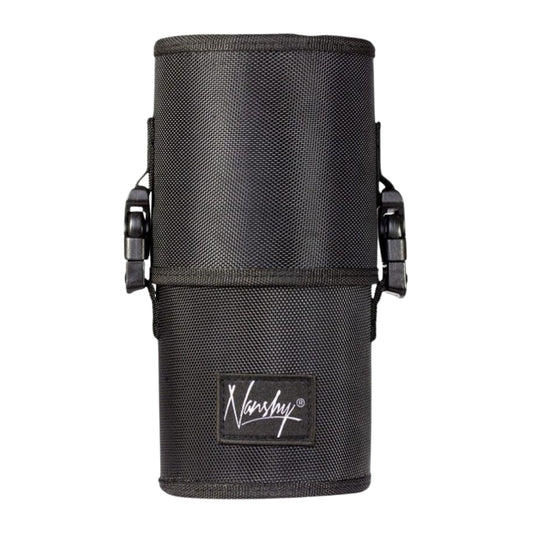
Work backwards from the client's departure or event time. Factor in getting dressed, hairstyling, photos and the inevitable delays. Give them a clear arrival time, and don't book the final application so close to the event that there's no room for adjustments. If travel is involved, a makeup brush holder for travel keeps your tools protected and easy to reach.
Questions Every MUA Should Confirm Before Starting
Is the Final Look Clear and Agreed?
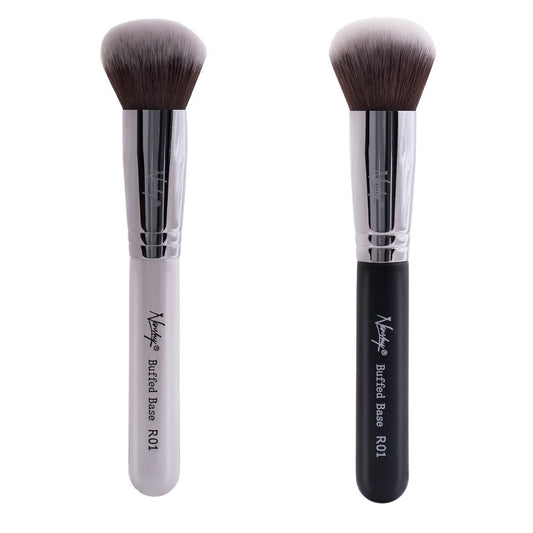
Before you apply anything, sum up the plan out loud: coverage, finish, eye look, lip colour, lashes and any areas to emphasise. This last check gives the client one more chance to correct a misunderstanding before you begin. It's also when you confirm your tools match the plan, whether you need a liquid foundation brush or something softer for powder.
Are You Comfortable with the Products and Techniques Being Used?
Explain anything that might feel unfamiliar, like lash application, cream contour, airbrush-style layering or strong setting products. Check they're comfortable, and let them know they can speak up if something feels irritating or different from what they expected. If a client is curious about the professional side, this is a great moment to mention what it takes to become an SFX makeup artist.
Is There Anything Else I Should Know Before We Begin?
End with an open question. Clients often remember the one important detail only after the main consultation is over. It might be a timing worry, a product preference or a bad experience from a past appointment, and it can make the difference between a good service and a great one.
The Bottom Line
A thoughtful consultation protects both you and your client. Ask about the occasion, the look, the skin, the preferences and the schedule, and you'll pack the right kit, avoid nasty surprises and deliver a more confident, comfortable service. Keep notes for returning clients, confirm the details in writing and make consultation a standard part of your MUA workflow. And because your tools are half the job, learn how to make makeup brushes soft again when they need some love.