How Often Should You REALLY Replace Your Makeup Brushes?

Be honest: do you know how old your favourite foundation brush actually is? If you're drawing a blank, you're definitely not alone. Most of us hang onto brushes way longer than we should, mostly because nobody ever tells you when it's time to let go. Unlike a "best by" date on your foundation, brushes don't come with an expiration sticker.
But here's the thing: an old, worn-out brush can actually work against you, dragging down your makeup application, wasting product, and even irritating your skin. In this guide, we're breaking down exactly how long cosmetic brushes really last, the signs your bristles are begging for retirement, and how to stretch out the life of your brushes so you're not replacing them more than you need to.
Why Makeup Brushes Don't Last Forever
Even the best brushes have a lifespan. It's not really a flaw, it's just physics (and a little bit of daily wear and tear). Here's what's actually happening to your bristles behind the scenes, and it helps to understand your brush hair types before you can spot the wear.
Bristle Wear and Fraying Over Time
Every swirl, dab, and blend puts a tiny bit of stress on your bristles. Over months (or years) of use, fibres naturally start to fray, split, or lose their shape. For natural hair, the cuticle wears down. For synthetic bristles, the fibres can lose their bounce and structure. It's totally normal, but it does mean your brush isn't performing quite like it did on day one.
Buildup That Cleaning Can't Fully Remove
Even with religious cleaning, some product residue and oils work their way deep into the base of the bristles, right where they meet the ferrule. Over time, this buildup can harden and affect how the bristles move and flex. No amount of washing fully reverses years of accumulated gunk - eventually, it's just baked in.
Bacteria, Oils, and Skin Contact
Your brushes touch your skin constantly, which means they're picking up natural oils, dead skin cells, and bacteria every single time you use them. Cleaning helps a ton, but it's never 100% perfect. Over time, this can affect both the brush's performance and your skin's health, especially if you're prone to breakouts.
Signs It's Time to Replace a Brush
Not sure if your brush is on its last legs? These are the biggest tells that it's time to say goodbye.
Shedding That Won't Stop
A stray bristle every now and then is normal, especially with a newer brush. But if you're finding bristles on your face, in your product, or all over your counter on the regular, that's a clear sign the glue or fibres are breaking down.
Bent, Splayed, or Frayed Bristles
Take a good look at your brush head. If the bristles are permanently bent out of shape, splaying in weird directions, or visibly fraying at the tips, no amount of reshaping is bringing that back. A brush that won't hold its shape can't apply makeup evenly, no matter how good your technique is - and it's one of the sneakier makeup brush mistakes you're probably making without realising it.
Persistent Odour Despite Cleaning
If your brush still smells off after a proper deep clean, that's a sign bacteria or product buildup has settled in deep. This isn't just gross, it can also mean the brush is no longer as hygienic to use on your skin.
Irritation, Breakouts, or Redness After Use
This one's non-negotiable. If a brush that used to feel fine is suddenly causing redness, breakouts, or irritation, stop using it immediately. Your skin is telling you something, and it's usually not worth troubleshooting a brush that's this far gone.
General Replacement Timelines by Brush Type
There's no single answer for "how long do brushes last," since it really depends on the brush, how often you use it, and how well you care for it. But here are some general ballparks to work with.
Face Brushes (Foundation, Powder, Contour)
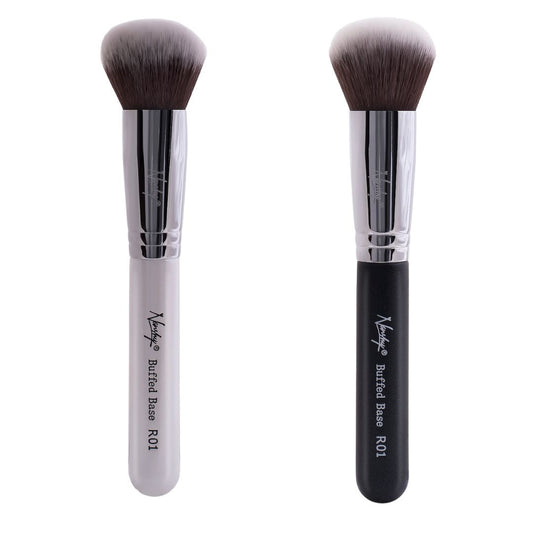
Face brushes tend to work the hardest since they cover the most surface area and handle the most product. With regular use and proper cleaning, expect these to last anywhere from 1 to 3 years. Cream and liquid formulas can wear down synthetic bristles a bit faster than powder alone, so foundation brushes may need replacing on the earlier end of that range. If you're not sure which tool fits your foundation routine, our guide to different types of foundation brushes breaks it down, and knowing how to apply foundation without streaks can also help you get more even wear out of the bristles you've got.
Eye Brushes (Blending, Detail, Liner)
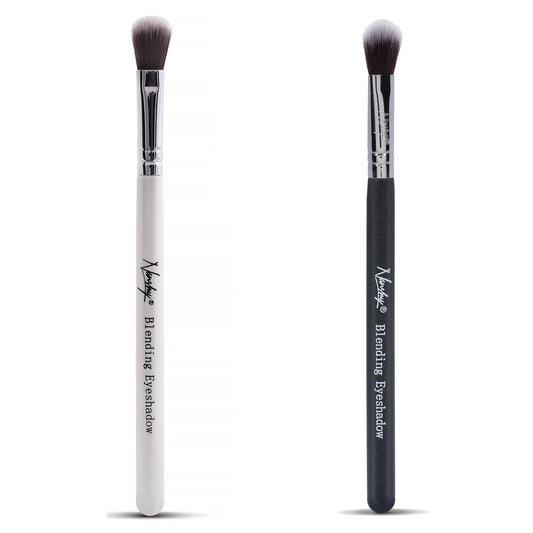
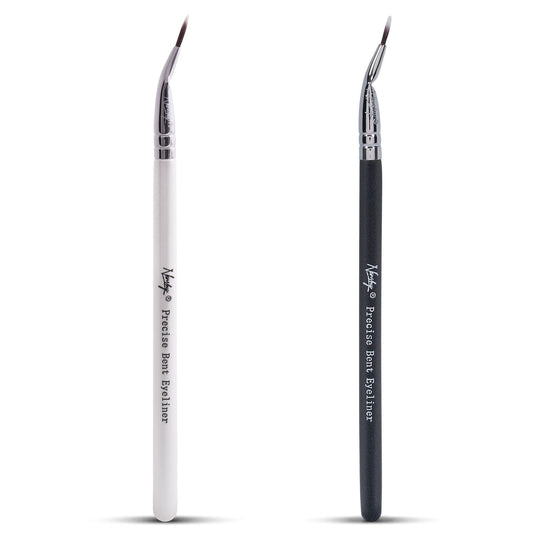
Eye brushes generally see less product and less friction, so they tend to last a bit longer, often 2 to 4 years with good care. Detail brushes used for liner or precise work can wear down faster if the tip loses its point, since that's the whole reason you're using them in the first place.
Brushes Used with Cream vs. Liquid vs. Powder Products
Here's a pattern worth remembering: brushes used mostly for powder tend to outlast ones used for cream or liquid formulas. Powder is gentler on bristles, while creams and liquids can seep in, dry out, and stress the fibres over time, especially if cleaning isn't thorough. If you've got a brush living a double life across formulas, it may need replacing sooner than a single-purpose one. This is also why picking the right brush for liquid foundation from the start matters so much, and if you're debating tools altogether, our breakdown of foundation brush or makeup sponge (and our guide to types of makeup sponges) can help you decide what's worth the investment.
Vegan vs. Animal Hair Brushes: Do They Wear Out Differently?
Short answer: yes, and it's actually one of the bigger perks of going vegan.
Durability Differences
Natural hair bristles are more porous and delicate, which means they're more prone to damage from cleaning, heat, and general wear. Synthetic bristles like Taklon, on the other hand, are non-porous and hold their shape and structure noticeably longer. They're also less likely to shed or fray with regular use, which means less babying and more actual makeup application time. Curious why Taklon specifically outperforms other synthetics? We go deep on that in Taklon vs. other synthetic bristles: why it's superior.
How Material Affects Lifespan
Since synthetic fibres don't absorb product the way natural hair does, they don't dry out or become brittle in the same way. That's a big part of why a well-made vegan brush (like our Masterful Collection) can genuinely outlast animal hair options with the same amount of care - if you want the full comparison, check out vegan vs. animal hair brushes. Less absorption also means less bacterial buildup deep in the bristles, so you're not just extending the brush's life, you're keeping it cleaner along the way too.
How Proper Care Extends a Brush's Life
Want to get the most mileage out of your brushes? It really comes down to consistent, gentle habits.
Cleaning Frequency and Technique
Deep clean your brushes at least once a week if you use them daily, and always with gentle, circular motions rather than aggressive scrubbing. The goal is to lift product out, not force it deeper into the bristles. Not sure where to start? Our guide on how to clean makeup brushes walks through the full process, and if you'd rather skip the DIY route, we've also covered how to use a makeup brush cleaner (and make your own at home). If you're cleaning brushes often enough, it might also be worth asking whether an electric brush cleaner machine is actually worth it.
If Your Cleanser Is Part of the Problem
Harsh soap can be exactly what's aging your brushes early. Our Antibacterial Makeup Brush & Sponge Cleaning Soap is alcohol-free, vegan, and made with Vitamin E and coconut milk, so it deep-cleans without stripping the bristles the way regular soap does.

Drying and Storage Habits
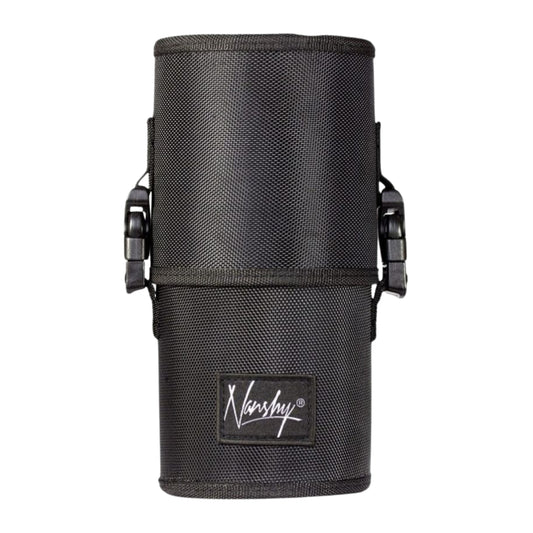
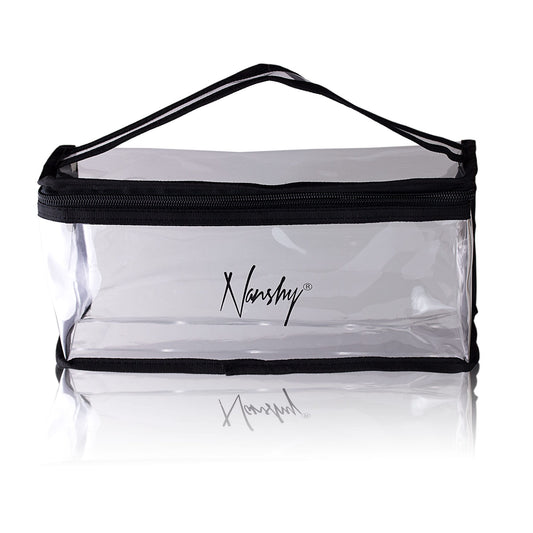
Always dry brushes flat with the bristles hanging off the edge of a counter, and never store them upright until they're completely dry. Proper airflow keeps the ferrule intact and prevents the bristles from getting misshapen over time. If you travel a lot with your kit, it's worth reading up on the best makeup brush holders for travel so your brushes stay protected (and their shape stays intact) on the go.
What Shortens a Brush's Lifespan Faster
Hot water, harsh soaps, and letting water pool in the ferrule are basically a fast-track to a shorter brush lifespan. So is skipping cleaning for weeks at a time and letting product harden into the bristles. A little consistent care goes a lot further than the occasional deep clean. It's also worth choosing brushes built with your skin and the planet in mind - our piece on sustainable beauty and eco-friendly brush materials covers what to look for.
A Small Habit That Adds Real Years to a Brush
Our Makeup Brush Guards reshape damp bristles right after cleaning and double as travel protection, so fraying and bent tips never really get the chance to start.

How to Know When It's Cleaning vs. Replacing
Before you toss a brush, it's worth figuring out if it just needs some TLC or if it's truly done.
Quick Checks Before You Toss a Brush
Ask yourself: does the brush still hold its shape when damp? Does it apply product evenly? Is the shedding minimal? If you're answering yes across the board, a deep clean (or even a softening treatment) might bring it right back to life.
When a Deep Clean Can Still Save It
Stiffness from buildup is usually fixable. Bent or permanently splayed bristles, on the other hand, usually aren't. If cleaning and conditioning don't restore softness and shape after a couple of tries, that's your answer, it's time for a replacement. Before you write a brush off, though, it's worth trying the techniques in how to make brushes soft again - you might be surprised how much life is left in it. And if you're rebuilding your kit from scratch anyway, our makeup brush set guide for 2026 is a good place to start.
If It's Time to Actually Retire That Eye Brush
Once a blending or crease brush loses its taper, no technique fixes that. Our Eye Brush Set gives you a full, precision-cut collection built to go from soft everyday looks to full-on drama, so you're not replacing one worn-out brush at a time.

FAQs About Replacing Makeup Brushes
Can a stiff brush be a sign it needs replacing, not just cleaning?
Sometimes, but not always. Stiffness is often just product buildup, which a proper deep clean and conditioning treatment can usually fix. If the stiffness persists after multiple cleans, that's when it's likely a sign of real wear rather than just gunk.
Do professional makeup artists replace brushes more often?
Yes, since they're using their brushes on multiple clients and formulas daily, pros tend to retire brushes faster than the average person. Hygiene and consistent performance matter even more when you're working on other people's skin - it's one of many things you'll pick up if you become an SFX MUA or work professionally. And if you're on the client side of things, knowing brush upkeep standards can help when you're trying to find the best makeup artist near you.
Is it bad to use an old brush past its prime?
It can be. Worn bristles apply product unevenly, and a brush that's holding onto old buildup or bacteria isn't doing your skin any favours, especially if you're prone to breakouts or sensitivity. It can also undo all the effort you put into figuring out the best foundation type for your skin or learning how to make your foundation last all day - the best formula still needs a brush that can apply it properly.
What's a rough brush lifespan if I clean weekly?
With consistent weekly cleaning and proper drying and storage, most vegan brushes can last 2 to 4 years, sometimes longer for eye brushes that see less wear. Face brushes handling cream and liquid formulas tend to sit on the shorter end of that range.