Types of Makeup Artists

Which MUA Path Is Right for Your Career?
If you're thinking about becoming a makeup artist, you might assume it's all about mastering foundation application and building a client base for touch-ups. But here's what most people don't realise: makeup artistry is incredibly specialised. The skills you need to work backstage at fashion week are completely different from what you'd need on a film set. A bridal makeup artist operates in a totally different world from someone doing special effects for horror movies.
The beauty of this industry is that there's genuinely something for everyone - whether you want to work one-on-one with clients, collaborate on creative teams, or never touch a face in your career. But choosing the right path early can save you years of training in skills you won't actually use. Let's break down what's actually out there.
The Different Types of Makeup Artists (And Where They Work)
Bridal Makeup Artist
The most recognisable role. Bridal artists specialise in makeup that photographs beautifully, withstands hours of smiling and crying, and works perfectly under various lighting conditions (from ceremony to ballroom). The job is as much about understanding your client as it is about makeup - you're managing expectations, handling emotions, and working within tight timelines on one of the most important days of someone's life. Income is event-based and seasonal, with a lot variation depending on your market. For bridal artists working with liquid products, the right brush choice matters a lot to achieve that flawless finish clients expect. If you're curious about how to make foundation last all day, the techniques directly apply to bridal work where longevity is critical.
Special Effects (SFX) Makeup Artist
SFX artists create prosthetics, scars, wounds, bruises, aging effects, and creature designs. This specialty requires deep knowledge of silicone, foam latex, sculpting, and paint mixing. You're building things, not just applying them. The work ranges from indie horror films to high-budget productions, and often involves freelancing between projects. It's the most technical specialty and typically requires formal training. If you're interested in this path, our guide to becoming an SFX makeup artist covers the courses and job realities you should know about before investing.
Film and Television Makeup Artist
Different from SFX - this is about creating looks that read on camera across multiple takes, managing continuity so the actor looks identical shot-to-shot, and adapting to lighting that changes throughout the day. You need to understand how makeup photographs, how colours translate on different film stocks, and how to work quickly under pressure. These are crew positions, often union-based with steady income during production.
Editorial and Fashion Makeup Artist
This is runway shows, magazine shoots, and high-fashion campaigns. The aesthetic is experimental and trendy - sometimes beautiful, sometimes bizarre. You're creating art as much as makeup. Work is project-based and concentrated in fashion capitals. Building connections and having a strong portfolio are everything. Income fluctuates wildly depending on the season and your reputation.
Theater and Performance Makeup Artist
Theater makeup needs to read from the back of a theater under stage lights, survive sweat and movement, and be applied quickly (sometimes between scenes). You understand dramatic makeup, contouring for distance, how colours shift under different gels. This can be a staff position at theaters or freelance work prepping actors before shows.
Airbrush Makeup Artist
You're using an airbrush gun instead of brushes and sponges - common for bridal work, HD photography, and high-coverage needs. It requires equipment investment and learning a completely different application technique. Many bridal artists add this to their skill set rather than specialising in it exclusively.
Makeup Artist for Content Creation and Social Media
A newer specialty - creating looks for TikTok, Instagram, YouTube tutorials, and online beauty content. You need to understand what photographs well on phone cameras, what translates in close-up video, and how to create shareable, replicable looks. This can be full-time as a content creator, or freelance work creating looks for other creators and brands. Understanding different foundation types for your skin helps you recommend products and looks that actually work for your audience.
Beauty Counter and Retail Makeup Artist
Working at department store counters or brand boutiques, applying makeup to customers and teaching them product application. This is often entry-level, offering steady income and benefits, but with less creative freedom and lower pay than other specialties.
Corrective and Camouflage Makeup Artist
Specialised in covering birthmarks, scars, tattoos, and skin concerns with medical-grade makeup and techniques. This is clinical work, deeply client-focused, and requires understanding skin conditions and product performance. It's rewarding work with consistent client relationships.
Theatrical Makeup Technician
Creating and managing makeup for production - making prosthetics, mixing custom colours, organising supplies, and prepping stations. You might not apply makeup to faces at all, but you're essential to the production running smoothly.
What Each Specialty Actually Requires (Skills, Tools, and Training)
Technical Skills That Vary by Specialty
Bridal artists need flawless blending, strong contouring, and the ability to work quickly. SFX artists need sculpting, mould-making, and prosthetic application. Film and TV artists need makeup continuity expertise and the ability to adapt in real-time. Fashion artists need trend awareness and experimental techniques. Theater artists need dramatic makeup and quick application under pressure.
The overlap isn't as big as you'd think. Someone brilliant at bridal makeup might struggle with SFX because it requires completely different training. Fashion makeup skills don't necessarily transfer to film. This is why early specialisation matters - you're essentially learning a different craft, not just different applications of the same skills. To learn more about which brush types serve different purposes, take a look how specialisation extends down to your actual tools and application methods.
Product Knowledge and Tool Kits
Your toolkit depends much by specialty. A bridal artist carries foundation, blush, highlight, and eyeshadow in a range of formulas optimised for photographs and staying power. An SFX artist carries silicone, foam latex, sculpting tools, and derma wax. A fashion artist might have more experimental products and fewer base products. Your product investment reflects your specialty.
Some specialties require significant startup costs. SFX requires silicone, moulds, and specialised tools - potentially thousands in initial investment. Airbrush artists need an airbrush kit. Bridal and beauty counter work can start with a modest brush and product collection. Understanding different types of makeup sponges and brush hair types ensures you're not just buying tools, but buying the right tools for your specialty. If you're building out your full kit, a complete makeup brush set guide helps you understand what you actually need versus what you can skip.
Certification and Training Paths
Here's where paths diverge. Bridal, beauty counter, and editorial can sometimes be self-taught with enough practice and portfolio building. SFX and film makeup almost always require formal training - either cosmetology school (which teaches basic makeup) plus specialised SFX courses, or dedicated makeup programmes that focus on film and television.
Formal programmes exist specifically for film/TV makeup, teaching all kinds of things from camera makeup to and professional production workflows. These aren't quick certifications - they're serious training that can take months or years. Bridal makeup rarely requires formal training, though many artists pursue it anyway for technique refinement.
Building Your Portfolio by Specialty
How you build your portfolio matters. Bridal artists need photos of completed bridal looks with clients and details. Fashion and editorial artists need magazine spreads and editorial campaigns. SFX artists need before/after photos of prosthetics and effects. Film artists often can't show much publicly due to productions being unreleased, so reels demonstrating technique matter more.
Starting out is easiest in bridal and editorial because you can build experience with friends and social media. SFX and film require access to productions or the ability to create student films. Content creation artists build portfolios entirely through their own posts and videos. For bridal and event-based work, understanding how to apply foundation without streaks and avoiding common makeup brush mistakes ensures your portfolio pieces look genuinely flawless. Tagging Nanshy in that work is worth doing too - it puts your portfolio piece in front of a wider audience, and it gives us real work from real artists to share as social proof.
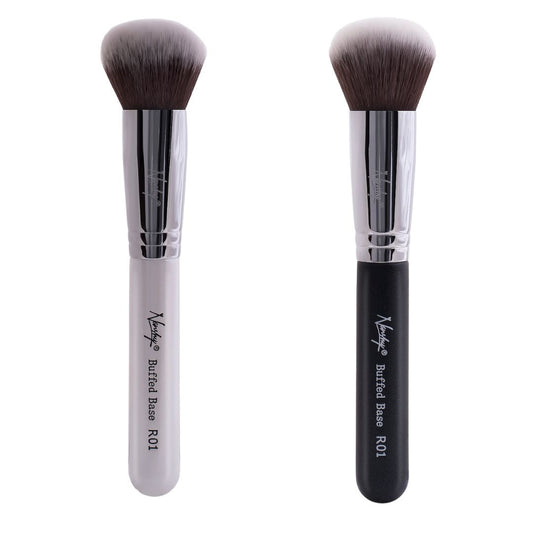
Building your foundation application skills is where every MUA starts. If you're serious about getting foundation flawless across any specialty, you need a brush that works with every formula and delivers that airbrushed finish clients expect. Check out Flawless Foundation - trusted by professional makeup artists in bridal, editorial, film, and beauty counter work.

Salary, Demand, and Career Growth by Type
Which Specialties Pay the Most
Film and television makeup artists typically earn the most, especially with BECTU union rates, ranging from £200-£450+ per day depending on production budget and experience. SFX artists for high-budget productions can earn similarly. Editorial and fashion work pays well per project but is project-based and inconsistent. Bridal artists charge per event (often £150-£400+) but have seasonal variation. Beauty counter work pays hourly, typically £12-£16/hour plus commission, which is the most predictable but lowest income.
The catch: high-paying specialties often require more training upfront and irregular income. Beauty counter and bridal offer more predictability but lower earning potential.
Job Market and Demand
Bridal makeup is always in demand in most markets - weddings happen year-round (with seasonal peaks). Beauty counter positions are abundant but competitive. Fashion and editorial work is concentrated in fashion capitals like London, home of London Fashion Week - oversaturated with talented artists competing for limited positions. Film and TV work requires being near production hubs like Pinewood, Shepperton, and Leavesden Studios, or freelancing and travelling. SFX has smaller demand but less competition than bridal.
Content creation is booming but increasingly saturated. Theater work exists but is limited and often low-paying.
Advancement Opportunities
Bridal artists can expand into wedding consulting, own beauty businesses, or transition to other specialties. Beauty counter work can lead to brand ambassador roles, product education, or counter management. Film and TV artists can advance to department heads or supervising makeup artists on bigger productions. SFX artists can move into prosthetics design or creature effects. Fashion artists might become creative directors or launch their own brands. Content creators can monetise through sponsorships, create products, or build agencies. As you grow your business, proper tool maintenance becomes essential - learning how to clean and care for makeup brushes and how to make brushes soft again keeps your kit in professional condition for years.
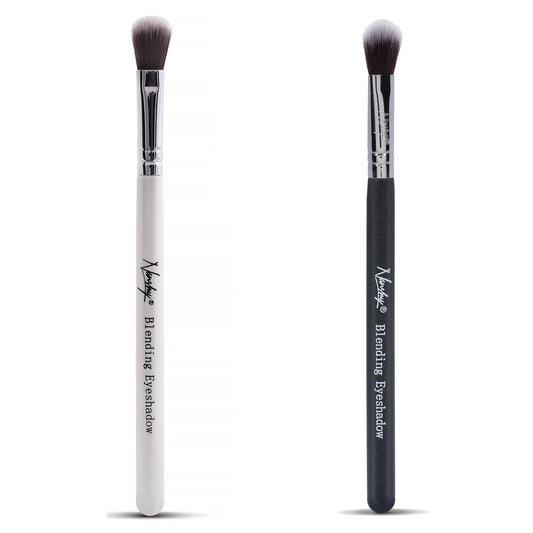
Eye makeup is where specialties diverge dramatically. Editorial artists need bold, blended colour work. Bridal needs subtle, flattering definition. Theater needs dramatic impact from 20 rows back. No matter your path, the right eye brushes make all the difference. The Eye Brush Set gives you a complete 7-piece collection designed for precision blending, tight liner work, and seamless colour transitions - everything a professional MUA needs to master eye makeup.

Choosing Your Makeup Artist Specialisation
Questions to Ask Yourself Before Deciding
Do you want to work directly with clients or as part of a team? Bridal, beauty counter, and corrective makeup are client-facing. Film, TV, fashion, and theater are collaborative team environments where you might barely interact with the end "user."
Do you prefer stable income or flexibility? Beauty counter and theater offer steady paychecks. Bridal, freelance SFX, and content creation are boom-or-bust.
Are you willing to invest in training and equipment upfront? SFX and film work require significant investment. Bridal and editorial can start lean.
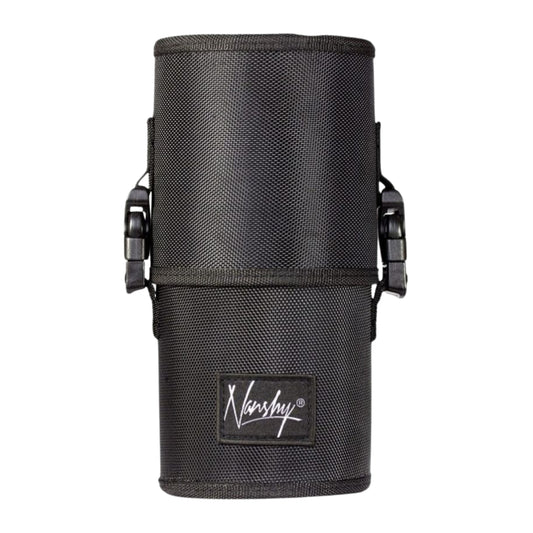
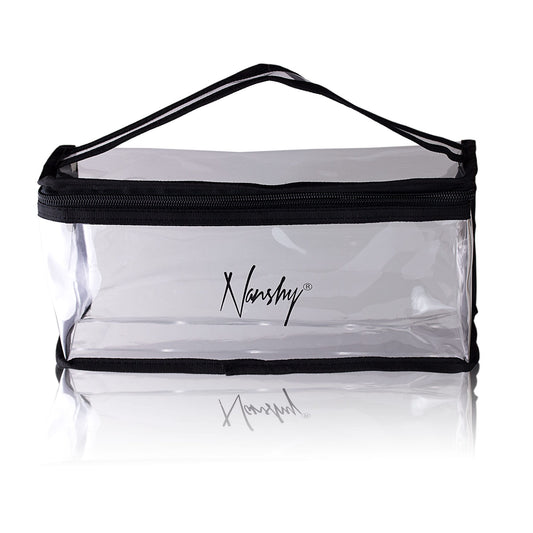
Do you want to stay in one location or travel? Film and TV often require travel. Bridal works in any market. Fashion is concentrated in specific cities. Content creation is location-agnostic. If travel is part of your career, investing in a good makeup brush holder for travel keeps your tools organised and protected between gigs.
What are you interested in? If you love natural beauty and making people feel confident, bridal or corrective work fits. If you love creating art and pushing boundaries, fashion or SFX. If you love storytelling and continuity, film and TV.
How to Test a Specialty Before Committing
Start small. Do bridal makeup for friends' weddings. Assist at fashion shows or film productions if you can. Create SFX makeup for Halloween or student films. Post makeup content online. Look at professionals in your chosen field. Most working makeup artists will let you observe if you're genuinely interested in learning. If you want professional guidance, resources on how to find the best makeup artist near you can help you identify local artists whose work you admire and who might mentor you.
You don't need to commit to a specialty forever, but testing before you invest years in training saves time and money.
Combining Multiple Specialties
Many makeup artists aren't purely specialists. A bridal artist might do airbrush work. A fashion artist might pick up editorial work. A film artist might do freelance SFX projects between productions. The industry is flexible enough that combining complementary specialties actually strengthens your career. Just be strategic - combining bridal and fashion works. Combining bridal and SFX less so, since the skills don't overlap much.
Common Mistakes Makeup Artists Make When Choosing a Path
Assuming all makeup artistry is the same. The skills don't transfer as cleanly as they seem. A technically perfect makeup artist might be terrible at working under film lighting or applying prosthetics. Don't assume you can easily pivot between specialties without training.
Choosing based on pay without considering lifestyle. Film work pays well but requires travel and irregular hours. Bridal pays less but offers regular events. Beauty counter is stable but repetitive. Choose based on how you actually want to work, not just the paycheck. If income stability is crucial to you, that should heavily influence whether you pursue freelance specialties versus staff positions.
Not testing your specialty before investing. Don't spend £3,000 on an SFX course if you've never actually tried SFX makeup. Test first. Commit later.
Building a portfolio for the wrong specialty. A bridal portfolio won't help you get fashion work. Editorial clips won't get you film gigs. Build your portfolio strategically for where you want to work.
Jumping between specialties without commitment. Some exploration is fine, but constantly switching signals to clients and employers that you're not serious. Pick a direction and build expertise before expanding.
Once you've chosen your specialty and invested in training, invest in your tools. Contouring and face sculpting appears across nearly every specialty - bridal, editorial, film, content creation. The Contour Brush is engineered to follow the natural curves of your cheekbone, delivering definition that looks professional and effortless. The kind of brush that shows up in every serious makeup artist's kit.

FAQs About Makeup Artist Types
Do I need formal training to become a makeup artist?
It depends on your specialty. Bridal, beauty counter, and corrective makeup can be self-taught with enough practice. Film, television, and SFX almost always benefit from formal training - either cosmetology school plus specialised courses, or dedicated makeup programmes. Fashion and editorial are a middle ground - self-taught artists can succeed with strong portfolios, but training accelerates the process.
Can I switch specialties later in my career?
Yes, but it requires retraining. You can't pivot from bridal to SFX without learning prosthetics. You can more easily move between related specialties (bridal to fashion, or fashion to editorial). Some skills transfer (general colour theory, blending techniques), but many don't. Factor in retraining time and cost. Understanding whether a brush or sponge works better for your application also transfers across specialties, as does knowledge of cosmetic brushes in general.
Which type of makeup artist has the most consistent income?
Beauty counter and theater positions offer the most stable, predictable income as staff roles. Bridal makeup offers consistent event-based income with seasonal variation. Film and TV work is steady during production but has downtime between projects. Content creation and freelance SFX are the most irregular.
What's the difference between bridal makeup and editorial makeup?
Bridal focuses on flattering the individual, withstanding hours of wear, and taking pictures in mixed lighting. Editorial creates artistic, trendy looks for fashion magazines and campaigns - sometimes unflattering, often experimental. Bridal is about the client's vision, editorial is about the creative team's vision.
How do I build a portfolio if I'm just starting out?
Start with friends, family, and social media. For bridal, do makeup for friends' weddings. For fashion, create looks and post them on Instagram. For SFX, do Halloween makeup or student film projects. For content creation, start creating and posting. You don't need paying clients to build initial experience - you need practice and documentation of your work. Once you have solid pieces, approach small businesses, indie productions, or local publications for paid opportunities. Quality matters, so invest early in proper brush cleaning techniques and maintenance to keep your portfolio shots professional. Your tools directly impact your results - clean brushes photograph better and apply makeup more seamlessly.